
DC Current Monitoring for Solar Combiner Boxes | PV String Current Monitoring Solution
DC Current Monitoring for Solar Combiner Boxes: Improve PV System Performance and Reliability
Introduction
In utility-scale and commercial solar photovoltaic (PV) systems, solar combiner boxes play a critical role in collecting current from multiple PV strings and transmitting it to the inverter. Accurate DC current monitoring within combiner boxes is essential for ensuring system efficiency, identifying faults, and maximizing energy production.
Without proper monitoring, issues such as string failures, shading, module degradation, loose connections, or blown fuses may remain undetected, resulting in significant power losses.
This article explains why DC current monitoring is important, how it works, and how multi-channel DC current monitoring devices can help improve solar power plant performance.
What Is a Solar Combiner Box?
A solar combiner box combines the output of several PV strings into a single DC output that feeds a solar inverter.
Typical components include:
* DC fuses
* Surge protection devices (SPD)
* DC circuit breakers
* Current monitoring devices
* Communication interfaces
A combiner box may manage anywhere from 4 to 32 PV strings, depending on the project size.
PV Strings → Combiner Box → DC Collection → Inverter → AC Grid
Each PV string contributes a specific current value. Monitoring these currents individually allows operators to detect abnormalities quickly.
Why Monitor DC Current in Solar Combiner Boxes?
1. Detect String-Level Faults
A failed PV module, disconnected cable, or blown fuse can reduce current in one string.
Without string monitoring, these failures may go unnoticed for months.
Benefits include:
* Faster fault detection
* Reduced maintenance costs
* Improved system uptime
2. Improve Energy Yield
Uneven current between strings often indicates:
* Partial shading
* Dirt accumulation
* Module mismatch
* Aging solar panels
By identifying underperforming strings early, operators can recover lost energy production.
3. Prevent Revenue Loss
For large-scale solar farms, even a small reduction in output can translate into significant financial losses.
Continuous current monitoring helps:
* Maintain expected generation levels
* Improve ROI
* Support performance guarantee requirements
4. Enable Remote Monitoring
Modern solar monitoring platforms require real-time data acquisition.
DC current monitoring devices can transmit data through:
* RS485 Modbus RTU
* Ethernet Modbus TCP
* Industrial IoT gateways
* SCADA systems
Operators can monitor every string remotely from a control center.
Common DC Current Monitoring Challenges
Environmental Conditions
Solar combiner boxes are often installed outdoors and exposed to:
* High temperatures
* Humidity
* Dust
* Electrical noise
Monitoring equipment must provide industrial-grade reliability.
Large Number of Channels
Utility-scale projects may require monitoring:
* 8 strings
* 16 strings
* 24 strings
* 32 strings or more
Multi-channel DC current acquisition modules significantly reduce installation complexity.
Communication Distance
Solar plants may cover hundreds of acres.
Reliable communication through RS485 or Ethernet networks is critical for data transmission.
How DC Current Monitoring Works
Each PV string passes through a current sensor or Hall-effect current transducer.
The monitoring module collects the analog current signals and converts them into digital data.
The system then:
1. Measures current values from each string.
2. Stores and processes the data.
3. Sends information to SCADA or monitoring software.
4. Generates alarms when abnormal conditions occur.
Real-time monitoring enables immediate identification of:
* String disconnection
* Fuse failure
* Current imbalance
For solar combiner box applications, a multi-channel DC current acquisition module provides an efficient monitoring solution.
Key Features
* Up to 24-channel DC current input
* High measurement accuracy
* Real-time monitoring
* RS485 Modbus RTU communication
* Ethernet Modbus TCP optional
* Industrial-grade isolation design
* Wide operating temperature range
* Easy integration with SCADA systems
Advantages
✔ Reduce wiring costs
✔ Simplify installation
✔ Improve monitoring accuracy
✔ Support remote maintenance
✔ Increase system availability
Typical Solar PV Monitoring Architecture
PV Strings
↓
DC Current Sensors
↓
Multi-Channel Current Acquisition Module
↓
RS485 / Ethernet Network
↓
Data Logger / PLC / SCADA
↓
Cloud Monitoring Platform
This architecture enables complete visibility into string performance across the entire solar power plant.
Selecting the Right DC Current Monitoring Device
When choosing a monitoring solution, consider:
Number of Input Channels
Look for:
* ±0.5% accuracy or better
* Stable long-term performance
Communication Protocol
Preferred industrial protocols include:
* Modbus RTU
* Modbus TCP
* MQTT (for IoT platforms)
Isolation Protection
Industrial isolation improves system reliability and protects equipment from electrical interference.
Future Trends in Solar Current Monitoring
As solar installations continue to grow, monitoring systems are becoming more intelligent.
Emerging trends include:
* AI-based fault prediction
* Cloud analytics
* Edge computing
* Digital twins
* Predictive maintenance
High-resolution current monitoring data will become increasingly valuable for optimizing solar plant performance.
Conclusion
DC current monitoring is a critical function in modern solar combiner boxes. By continuously monitoring individual PV string currents, operators can quickly identify faults, improve energy production, and reduce maintenance costs.
A reliable multi-channel DC current acquisition module provides accurate real-time monitoring, seamless integration with SCADA systems, and enhanced operational visibility across the entire solar power plant.
Whether for commercial rooftop installations or utility-scale solar farms, implementing string-level DC current monitoring is one of the most effective ways to maximize PV system efficiency and long-term return on investment.
Looking for a Reliable Solar DC Current Monitoring Solution?
We provide industrial-grade multi-channel DC current acquisition modules designed for solar combiner box monitoring applications.
Features include:
* 8 / 16 / 24 / 32 channel options
* RS485 Modbus RTU communication
* Ethernet communication available
* High accuracy measurement
* Easy SCADA integration
* OEM & Customization Support
Introduction
In utility-scale and commercial solar photovoltaic (PV) systems, solar combiner boxes play a critical role in collecting current from multiple PV strings and transmitting it to the inverter. Accurate DC current monitoring within combiner boxes is essential for ensuring system efficiency, identifying faults, and maximizing energy production.
Without proper monitoring, issues such as string failures, shading, module degradation, loose connections, or blown fuses may remain undetected, resulting in significant power losses.
This article explains why DC current monitoring is important, how it works, and how multi-channel DC current monitoring devices can help improve solar power plant performance.
What Is a Solar Combiner Box?
A solar combiner box combines the output of several PV strings into a single DC output that feeds a solar inverter.
Typical components include:
* DC fuses
* Surge protection devices (SPD)
* DC circuit breakers
* Current monitoring devices
* Communication interfaces
A combiner box may manage anywhere from 4 to 32 PV strings, depending on the project size.
Typical Solar Combiner Box Structure
PV Strings → Combiner Box → DC Collection → Inverter → AC Grid
Each PV string contributes a specific current value. Monitoring these currents individually allows operators to detect abnormalities quickly.
Why Monitor DC Current in Solar Combiner Boxes?
1. Detect String-Level Faults
A failed PV module, disconnected cable, or blown fuse can reduce current in one string.
Without string monitoring, these failures may go unnoticed for months.
Benefits include:
* Faster fault detection
* Reduced maintenance costs
* Improved system uptime
2. Improve Energy Yield
Uneven current between strings often indicates:
* Partial shading
* Dirt accumulation
* Module mismatch
* Aging solar panels
By identifying underperforming strings early, operators can recover lost energy production.
3. Prevent Revenue Loss
For large-scale solar farms, even a small reduction in output can translate into significant financial losses.
Continuous current monitoring helps:
* Maintain expected generation levels
* Improve ROI
* Support performance guarantee requirements
4. Enable Remote Monitoring
Modern solar monitoring platforms require real-time data acquisition.
DC current monitoring devices can transmit data through:
* RS485 Modbus RTU
* Ethernet Modbus TCP
* Industrial IoT gateways
* SCADA systems
Operators can monitor every string remotely from a control center.
Common DC Current Monitoring Challenges
Environmental Conditions
Solar combiner boxes are often installed outdoors and exposed to:
* High temperatures
* Humidity
* Dust
* Electrical noise
Monitoring equipment must provide industrial-grade reliability.
Large Number of Channels
Utility-scale projects may require monitoring:
* 8 strings
* 16 strings
* 24 strings
* 32 strings or more
Multi-channel DC current acquisition modules significantly reduce installation complexity.
Communication Distance
Solar plants may cover hundreds of acres.
Reliable communication through RS485 or Ethernet networks is critical for data transmission.
How DC Current Monitoring Works
Each PV string passes through a current sensor or Hall-effect current transducer.
The monitoring module collects the analog current signals and converts them into digital data.
The system then:
1. Measures current values from each string.
2. Stores and processes the data.
3. Sends information to SCADA or monitoring software.
4. Generates alarms when abnormal conditions occur.
Real-time monitoring enables immediate identification of:
* String disconnection
* Fuse failure
* Current imbalance
* Module degradation
For solar combiner box applications, a multi-channel DC current acquisition module provides an efficient monitoring solution.
Key Features
* Up to 24-channel DC current input
* High measurement accuracy
* Real-time monitoring
* RS485 Modbus RTU communication
* Ethernet Modbus TCP optional
* Industrial-grade isolation design
* Wide operating temperature range
* Easy integration with SCADA systems
Advantages
✔ Reduce wiring costs
✔ Simplify installation
✔ Improve monitoring accuracy
✔ Support remote maintenance
✔ Increase system availability
Typical Solar PV Monitoring Architecture
PV Strings
↓
DC Current Sensors
↓
Multi-Channel Current Acquisition Module
↓
RS485 / Ethernet Network
↓
Data Logger / PLC / SCADA
↓
Cloud Monitoring Platform
This architecture enables complete visibility into string performance across the entire solar power plant.
Selecting the Right DC Current Monitoring Device
When choosing a monitoring solution, consider:
Number of Input Channels
Select modules based on project size:
System Size
Recommended Channels
Small Rooftop
4–8 Channels
Commercial PV
8–16 Channels
Utility Solar Farm
16–32 Channels
Look for:
* ±0.5% accuracy or better
* Stable long-term performance
Communication Protocol
Preferred industrial protocols include:
* Modbus RTU
* Modbus TCP
* MQTT (for IoT platforms)
Isolation Protection
Industrial isolation improves system reliability and protects equipment from electrical interference.
Future Trends in Solar Current Monitoring
As solar installations continue to grow, monitoring systems are becoming more intelligent.
Emerging trends include:
* AI-based fault prediction
* Cloud analytics
* Edge computing
* Digital twins
* Predictive maintenance
High-resolution current monitoring data will become increasingly valuable for optimizing solar plant performance.
Conclusion
DC current monitoring is a critical function in modern solar combiner boxes. By continuously monitoring individual PV string currents, operators can quickly identify faults, improve energy production, and reduce maintenance costs.
A reliable multi-channel DC current acquisition module provides accurate real-time monitoring, seamless integration with SCADA systems, and enhanced operational visibility across the entire solar power plant.
Whether for commercial rooftop installations or utility-scale solar farms, implementing string-level DC current monitoring is one of the most effective ways to maximize PV system efficiency and long-term return on investment.
Looking for a Reliable Solar DC Current Monitoring Solution?
We provide industrial-grade multi-channel DC current acquisition modules designed for solar combiner box monitoring applications.
Features include:
* 8 / 16 / 24 / 32 channel options
* RS485 Modbus RTU communication
* Ethernet communication available
* High accuracy measurement
* Easy SCADA integration
* OEM & Customization Support
Contact us today to discuss your solar monitoring project requirements.
See the following link for reference:
Please Feel free to give your inquiry in the form below.We will reply you in 24 hours.
CATALOG
-
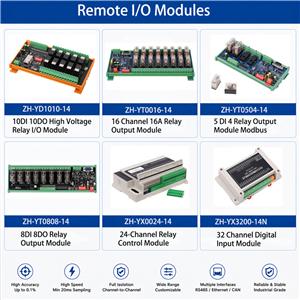
Remote IO Modules Catalog
Industrial IO Modules provide reliable signal acquisition and control so
-
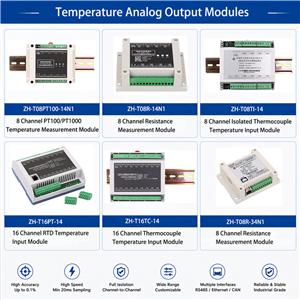
Temperature Analog Output Modules Catalog
High-performance temperature analog output modules for RTD and thermocou
-
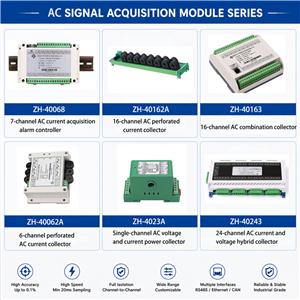
AC Signal Acquisition Modules Voltage Current Monitoring
AC signal acquisition modules for voltage, current, power, energy, and f
ARTICLES
- AC/DC Universal Data Acquisition Module: A Reliable Solution for Data Center Load Aging Testing
- DC Current Monitoring for Solar Combiner Boxes | PV String Current Monitoring Solution
- Current Monitoring Solutions for PV Power Plants
- How to Choose a Data Acquisition Module
- RS485 Modbus Data Acquisition Guide
Contact Us
| Contact: | Maggie Xian |
|---|---|
| Phone: | 8613450868908 |
| Email: | maggie@jshelectronic.com |
| Address: | Plant No. 2, Lijincheng Science and Technology Park, Jihua Road, Longhua Street, Longhua District, Shenzhen City, Guangdong Province |