
How to Monitor Three-Phase Power Consumption
In modern factories, commercial buildings, renewable energy systems, and data centers, three-phase power monitoring has become essential for improving energy efficiency and ensuring reliable electrical operation.
By continuously monitoring voltage, current, active power, reactive power, power factor, frequency, and energy consumption, engineers can detect abnormal loads, prevent equipment failures, and optimize overall power usage.
This article explains how three-phase power monitoring works, what parameters should be measured, and how industrial data acquisition modules simplify the entire process.
Why Monitor Three-Phase Power Consumption?
Many industrial machines operate using three-phase AC power because it provides higher efficiency and better load balancing than single-phase systems.
Without continuous monitoring, electrical issues often remain unnoticed until production is interrupted.
Monitoring helps users:
*Reduce electricity costs
*Detect overloaded circuits
*Balance phase loads
*Prevent equipment failures
*Improve power quality
*Optimize energy efficiency
*Enable predictive maintenance
Real-time monitoring also provides valuable historical data for energy analysis and production optimization.
What Parameters Should Be Measured?
A professional three-phase power monitoring system should measure multiple electrical parameters simultaneously.
Typical measurements include:
Monitoring these parameters provides a complete picture of electrical system performance.
Parameter
Description
Power Factor
System efficiency indicator
Frequency
Grid operating frequency
Energy Consumption (kWh)
Total electricity usage
Phase Voltage
L1, L2, L3 Voltage
Line Voltage
Voltage between phases
Phase Current
Current of each phase
Active Power (kW)
Actual consumed power
Reactive Power (kVar)
Reactive energy
Apparent Power (kVA)
Total supplied power
Typical Three-Phase Power Monitoring Architecture
A standard industrial monitoring solution consists of four layers.
Three-Phase Power Supply
│
Current Transformers (CTs)
Voltage Inputs
│
Three-Phase Power Meter /
Power Acquisition Module
│
RS485 Modbus RTU / Ethernet Modbus TCP
│
PLC / SCADA / HMI / Industrial PC
│
Cloud Platform / Energy Management Software
This architecture allows engineers to collect power data from multiple electrical panels and monitor everything from a central control room.
Using a Three-Phase Power Acquisition Module
Compared with traditional analog instruments, modern three-phase power acquisition modules integrate measurement, communication, and data logging into a single device.
Typical features include:
*High-accuracy voltage and current measurement
*Three-phase active/reactive power calculation
*Energy (kWh) accumulation
*Frequency measurement
*Power factor monitoring
*RS485 Modbus RTU communication
*Ethernet Modbus TCP optional
*DIN rail installation
*Industrial-grade EMC protection
*24-hour continuous operation
These modules can easily connect with PLCs, SCADA systems, industrial computers, IoT gateways, and cloud platforms.
Advantages of Real-Time Power Monitoring
1.Lower Energy Costs
Continuous monitoring identifies inefficient equipment and unnecessary power consumption.
Energy managers can optimize operating schedules and reduce electricity bills.
2.Predictive Maintenance
Increasing current or abnormal power factor often indicates:
*Motor bearing wear
*Pump blockage
*Fan imbalance
*Mechanical overload
Early detection helps prevent unexpected downtime.
3.Better Power Quality
Monitoring allows users to detect:
*Voltage imbalance
*Current imbalance
*Phase loss
*Overvoltage
*Undervoltage
*Frequency fluctuations
Improved power quality extends equipment lifespan.
4.Remote Monitoring
With RS485 or Ethernet communication, electrical parameters can be transmitted to:
*SCADA
*Energy Management Systems (EMS)
*Building Management Systems (BMS)
*Cloud IoT Platforms
Engineers can monitor power consumption remotely through computers or mobile devices.
Applications
Three-phase power monitoring is widely used across various industries.
1.Manufacturing Plants
Monitor production equipment, motors, compressors, CNC machines, and conveyor systems.
2.Data Centers
Track UPS systems, server cabinets, PDUs, and HVAC equipment.
3.Commercial Buildings
Monitor lighting systems, elevators, HVAC systems, and distribution panels.
4.Solar Power Plants
Measure inverter output and AC distribution cabinet power consumption.
5.Industrial Automation
Collect electrical parameters for PLC control and predictive maintenance.
6.Water Treatment Plants
Monitor pumps, blowers, and large induction motors.
Example Monitoring System
Three-Phase Distribution Cabinet
│
Current Transformers
│
Three-Phase Power Acquisition Module
│
RS485 Modbus RTU
│
PLC / Industrial PC
│
SCADA Software / Cloud Dashboard
│
Real-Time Dashboard + Historical Reports
The system continuously records voltage, current, power, and energy data while generating alarms whenever abnormal conditions occur.
Selecting the Right Three-Phase Power Monitoring Device
When choosing a monitoring solution, consider the following factors:
*Measurement accuracy
*Number of monitored circuits
*Communication protocol (Modbus RTU/TCP)
*CT compatibility
*Power quality measurements
*Data logging capability
*Installation method
*Environmental protection
*Industrial EMC performance
Choosing a reliable industrial-grade acquisition module ensures long-term stability and accurate data collection.
Why Choose JSH Electronic Three-Phase Power Acquisition Modules?
JSH Electronic provides professional industrial power monitoring solutions designed for demanding automation applications.
Key advantages include:
*High-precision three-phase measurement
*Multiple communication interfaces
*Standard Modbus RTU protocol
*Optional Ethernet communication
*Industrial-grade reliability
*Easy PLC integration
*Fast installation
*Wide industrial applications
*OEM & ODM support available
Whether monitoring a single electrical cabinet or an entire factory, JSH Electronic modules provide accurate, stable, and scalable power monitoring solutions.
Pls check our website for reference:
https://www.jshelectronic.com/ac-power-monitoring-modules.html
Conclusion
Effective three-phase power monitoring is no longer optional for modern industrial facilities. By collecting real-time electrical data, businesses can reduce energy costs, improve equipment reliability, optimize maintenance, and make informed operational decisions.
A high-performance three-phase power acquisition module combined with Modbus communication and industrial monitoring software provides a flexible and cost-effective solution for comprehensive energy management.
If you are looking for reliable industrial power monitoring solutions, JSH Electronic offers a complete range of three-phase power acquisition modules designed for factories, energy systems, commercial buildings, and smart industrial applications.
CATALOG
-
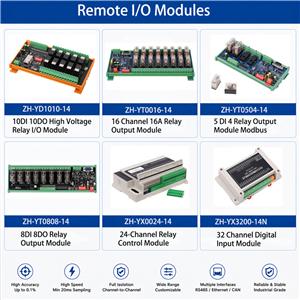
Remote IO Modules Catalog
Industrial IO Modules provide reliable signal acquisition and control so
-
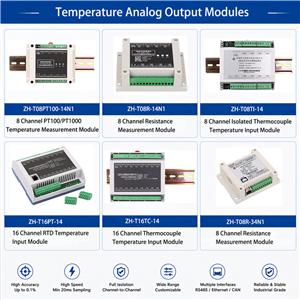
Temperature Analog Output Modules Catalog
High-performance temperature analog output modules for RTD and thermocou
-
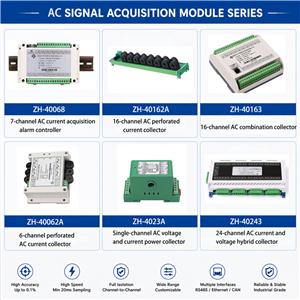
AC Signal Acquisition Modules Voltage Current Monitoring
AC signal acquisition modules for voltage, current, power, energy, and f
ARTICLES
- AC/DC Universal Data Acquisition Module: A Reliable Solution for Data Center Load Aging Testing
- DC Current Monitoring for Solar Combiner Boxes | PV String Current Monitoring Solution
- Current Monitoring Solutions for PV Power Plants
- How to Choose a Data Acquisition Module
- RS485 Modbus Data Acquisition Guide
Contact Us
| Contact: | Maggie Xian |
|---|---|
| Phone: | 8613450868908 |
| Email: | maggie@jshelectronic.com |
| Address: | Plant No. 2, Lijincheng Science and Technology Park, Jihua Road, Longhua Street, Longhua District, Shenzhen City, Guangdong Province |