
Power Quality Monitoring for Industrial Facilities
Modern industrial facilities rely on stable and high-quality electrical power to ensure continuous production and protect valuable equipment. Even minor power quality issues—such as voltage fluctuations, harmonics, phase imbalance, or low power factor—can lead to unexpected downtime, increased maintenance costs, and reduced equipment lifespan.
Power quality monitoring provides real-time visibility into the health of an electrical system, allowing engineers to identify abnormal conditions before they become costly failures.
This article explains the importance of power quality monitoring, the key electrical parameters to monitor, and how industrial RS485 Modbus power acquisition modules can help build a reliable and scalable monitoring system.
What Is Power Quality?
Power quality refers to the stability and characteristics of the electrical power supplied to equipment.
An ideal power system should provide:
*Stable voltage
*Stable frequency
*Balanced three-phase current
*Minimal harmonic distortion
*High power factor
*Continuous power supply
Poor power quality can negatively affect industrial equipment, causing overheating, unexpected shutdowns, motor failures, and inaccurate control signals.
Why Is Power Quality Monitoring Important?
Industrial facilities often operate hundreds of electrical devices simultaneously, including:
*Motors
*Variable Frequency Drives (VFDs)
*Compressors
*Pumps
*Welding machines
*CNC equipment
*HVAC systems
*Industrial robots
*UPS systems
These devices can generate electrical disturbances that impact the entire power distribution network.
Continuous monitoring enables engineers to:
*Detect electrical abnormalities early
*Improve equipment reliability
*Reduce production downtime
*Lower maintenance costs
*Optimize energy efficiency
*Extend equipment lifespan
*Comply with energy management standards
*Improve overall power system performance
1.Voltage Sag
Temporary voltage drops may cause PLCs, servers, or production equipment to restart unexpectedly.
2.Typical Causes
*Large motor startup
*Utility switching
*Short circuits
*Heavy industrial loads
3.Voltage Swell
Higher-than-normal voltage can damage sensitive electronic equipment and insulation systems.
4.Voltage Imbalance
Unequal three-phase voltages increase motor temperature and reduce efficiency.
Even a small voltage imbalance can significantly shorten motor life.
5.Current Imbalance
*Unbalanced current often indicates:
*Uneven loading
*Faulty wiring
*Damaged motors
*Loose electrical connections
6.Harmonic Distortion
Non-linear loads such as VFDs, UPS systems, and switching power supplies generate harmonics that may cause:
*Transformer overheating
*Cable overheating
*Capacitor failures
*False relay operation
*Meter inaccuracies
7.Low Power Factor
A low power factor increases current demand and may result in utility penalties.
Power factor monitoring helps optimize capacitor banks and reduce electricity costs.
Key Parameters to Monitor
An industrial power quality monitoring system should continuously measure:
Typical Industrial Monitoring Architecture
Electrical Parameter
Purpose
Phase Voltage
Detect voltage fluctuations
Line Voltage
Verify supply stability
Phase Current
Monitor equipment load
Active Power (kW)
Measure real power consumption
Reactive Power (kVar)
Optimize power factor
Apparent Power (kVA)
Evaluate system capacity
Power Factor
Improve efficiency
Frequency
Detect grid instability
Energy Consumption (kWh)
Energy management
Voltage Imbalance
Protect motors
Current Imbalance
Detect abnormal loads
Harmonic Distortion (THD)
Evaluate power quality
Three-Phase Distribution Panel
│
Current Transformers + Voltage Inputs
│
Power Quality Monitoring Module
│
RS485 Modbus RTU
Ethernet Modbus TCP
│
PLC / SCADA / Industrial PC
│
Energy Management System
│
Cloud Dashboard + Alarm System
This architecture enables centralized monitoring across multiple production lines and electrical panels.
Advantages of Using RS485 Modbus Power Monitoring Modules
Compared with traditional analog meters, industrial power acquisition modules provide comprehensive monitoring and seamless integration into automation systems.
Key Features
*High-precision three-phase measurement
*Voltage and current monitoring
*Active and reactive power calculation
*Power factor monitoring
*Frequency measurement
*Energy accumulation (kWh)
*RS485 Modbus RTU communication
*Optional Ethernet Modbus TCP
*DIN rail installation
*Industrial EMC protection
*Long-term stable operation
These modules can easily connect to PLCs, SCADA systems, industrial gateways, and cloud platforms for real-time monitoring.
Real-Time Alarm Functions
A modern monitoring system can automatically generate alarms when abnormal conditions occur, including:
Real-Time Alarm Functions
A modern monitoring system can
*Overvoltage
*Undervoltage
*Overcurrent
*Phase loss
*Phase imbalance
*Power factor below threshold
*Frequency deviation
*Excessive harmonic distortion
*Communication failure
Real-time notifications help maintenance teams respond before equipment damage occurs.
Typical Industrial Applications
1.Manufacturing Plants
Monitor production equipment, motors, and assembly lines.
2.Data Centers
Ensure reliable power supply for servers, UPS systems, and cooling equipment.
3.Renewable Energy Systems
Monitor inverter output and AC distribution cabinets in solar and wind power installations.
4.Commercial Buildings
Track HVAC systems, elevators, lighting circuits, and electrical distribution.
5.Water Treatment Plants
Monitor pumps, blowers, and motor control centers.
6.Mining and Heavy Industry
Protect high-power motors and electrical distribution equipment operating in harsh environments.
Choosing the Right Power Quality Monitoring Solution
When selecting a monitoring system, consider:
*Measurement accuracy
*Harmonic analysis capability
*Modbus compatibility
*Data logging
*Remote monitoring support
*Alarm functionality
*Industrial EMC performance
*Easy PLC integration
*Expandable monitoring channels
*Long-term reliability
Industrial-grade monitoring modules provide stable operation even in electrically noisy environments.
Why Choose JSH Electronic Power Monitoring Modules?
JSH Electronic provides reliable industrial power monitoring solutions designed for modern automation and energy management systems.
Benefits
*High-accuracy three-phase measurements
*Industrial-grade reliability
*Standard RS485 Modbus RTU communication
*Optional Ethernet connectivity
*Easy integration with PLC and SCADA
*Real-time energy monitoring
*Wide operating temperature range
*DIN rail mounting
*OEM & ODM customization support
Whether monitoring a single distribution cabinet or an entire manufacturing facility, JSH Electronic modules deliver accurate and dependable electrical data for smarter energy management.
Pls check our products for reference:
https://www.jshelectronic.com/ac-power-monitoring-modules.html
Conclusion
Power quality monitoring is essential for maintaining reliable industrial operations and reducing operating costs. By continuously measuring voltage, current, power, frequency, power factor, and other electrical parameters, engineers can identify issues before they affect production.
A professional Modbus power monitoring module enables real-time data acquisition, remote monitoring, alarm management, and seamless integration with PLC and SCADA systems, providing a scalable solution for factories, commercial buildings, renewable energy systems, and critical infrastructure.
CATALOG
-
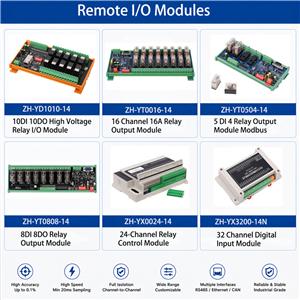
Remote IO Modules Catalog
Industrial IO Modules provide reliable signal acquisition and control so
-
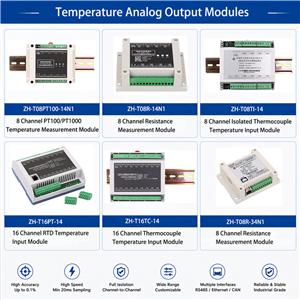
Temperature Analog Output Modules Catalog
High-performance temperature analog output modules for RTD and thermocou
-
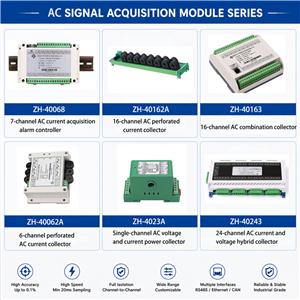
AC Signal Acquisition Modules Voltage Current Monitoring
AC signal acquisition modules for voltage, current, power, energy, and f
ARTICLES
- AC/DC Universal Data Acquisition Module: A Reliable Solution for Data Center Load Aging Testing
- DC Current Monitoring for Solar Combiner Boxes | PV String Current Monitoring Solution
- Current Monitoring Solutions for PV Power Plants
- How to Choose a Data Acquisition Module
- RS485 Modbus Data Acquisition Guide
Contact Us
| Contact: | Maggie Xian |
|---|---|
| Phone: | 8613450868908 |
| Email: | maggie@jshelectronic.com |
| Address: | Plant No. 2, Lijincheng Science and Technology Park, Jihua Road, Longhua Street, Longhua District, Shenzhen City, Guangdong Province |